


Introduction to Tech Education Trends
The landscape of education is rapidly evolving in the context of technology, creating an array of new opportunities for learning. As we delve into the droven io tech education trends, it is essential to recognize the importance of remaining informed about the latest advancements in technology-driven learning solutions. This dynamic environment not only reshapes how students acquire knowledge but also how educators deliver it.
Droven IO stands at the forefront of this transformation, Droven IO Tech Education Trends serving as a critical player in the realm of educational innovation. By integrating advanced technologies such as artificial intelligence, machine learning, and interactive platforms, Droven IO enhances the learning experience, making it more engaging and accessible for learners worldwide. The organization’s initiatives highlight a shift towards personalized learning trajectories, embracing diverse educational needs and fostering skills that resonate with the demands of modern workplaces.
In this context, various tech education trends emerge, from the growing emphasis on online learning platforms to the incorporation of gamification in educational environments. These advancements signify a paradigm shift that seeks to enrich the learner’s experience while preparing them for an increasingly digital world. Adapting to these trends is not merely an option but a necessity for both educators and institutions aiming to equip students with relevant skills and competencies. As we further explore these trends, it becomes clear that the integration of technology into education is foundational for fostering innovation and collaboration across various sectors.
Current Trends in Tech Education
The landscape of tech education is continuously evolving, driven by rapid advancements in technology and changing learner needs. One prominent trend is the exponential rise of online learning platforms. These platforms provide unprecedented access to knowledge, allowing individuals worldwide to enroll in courses that were formerly exclusive to traditional educational institutions. This shift not only democratizes education but also offers flexibility, catering to diverse learning styles and schedules. As such, online platforms are increasingly integrated into formal tech education, fostering a more self-directed learning environment.
Another significant trend transforming tech education is the integration of artificial intelligence (AI) into educational tools. AI-driven applications enhance the learning experience by personalizing educational content based on the individual learner’s progress and preferences. These tools can analyze a student’s strengths and weaknesses, providing tailored recommendations that enable more effective learning pathways. This combination of personalized learning and intelligent software enhances the overall educational impact, aligning with the droven io tech education trends focused on developing adaptive learning systems.
Moreover, the impact of gamification on student engagement cannot be overlooked. Through game-like elements, educational experiences are designed to motivate and captivate students, making the learning process more enjoyable. Incorporating features such as reward systems, progress tracking, and interactive challenges can significantly enhance a student’s commitment to their learning objectives. Gamification not only fosters a deeper understanding of complex subjects but also encourages collaboration among peers, thereby creating an enriched educational atmosphere.
These current trends in tech education highlight the necessity for institutions to adapt and innovate in response to technological advancements. As online learning platforms, AI-based tools, and gamified learning modalities continue to reshape the educational landscape, it is essential for both educators and learners to embrace these changes for improved outcomes.
The Role of Institutions in Adapting to Trends
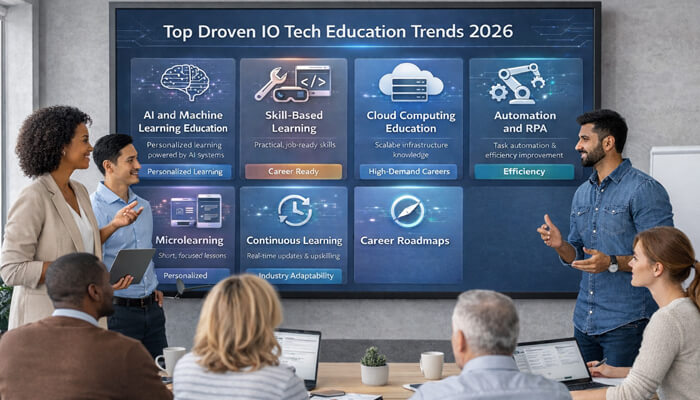
In an era where rapid technological advancements significantly reshape the job market, educational institutions are tasked with the clear responsibility of adapting to the ever-evolving droven io tech education trends. This involves integrating technology into curricula, ensuring that students acquire the necessary skills to thrive in their future careers.
To begin with, schools, universities, and vocational training centers are implementing innovative teaching methods that utilize digital tools and platforms. This includes the incorporation of blended learning models, which combine traditional classroom instruction with online components. Such models not only enhance student engagement but also facilitate personalized learning experiences tailored to individual student needs. For instance, institutions are employing learning management systems (LMS) that allow for real-time feedback and adaptive learning pathways, thus optimizing the educational experience.
Furthermore, collaboration with technology Droven IO Tech Education Trends companies has become increasingly common. Educational institutions are forming partnerships to gain access to the latest technological resources and expertise. By doing so, they can create more comprehensive programs that expose students to real-world challenges and current industry standards. Additionally, many institutions are now offering specialized programs in emerging fields such as artificial intelligence, data science, and cybersecurity, aligning their offerings with the demands of the job market.
Moreover, professional development for educators is another vital aspect of adapting to droven io tech education trends. Institutions are investing in training and resources that empower educators to integrate technology effectively into their teaching practices. This, in turn, fosters a culture of continuous improvement and innovation within academic environments.
Ultimately, the proactive measures taken by educational institutions in response to tech education trends are crucial for preparing a workforce capable of navigating a digital future. By embracing technology and fostering strong industry connections, they ensure that students are not only educated but also equipped to succeed in an increasingly complex job landscape.
Future Predictions and Conclusion
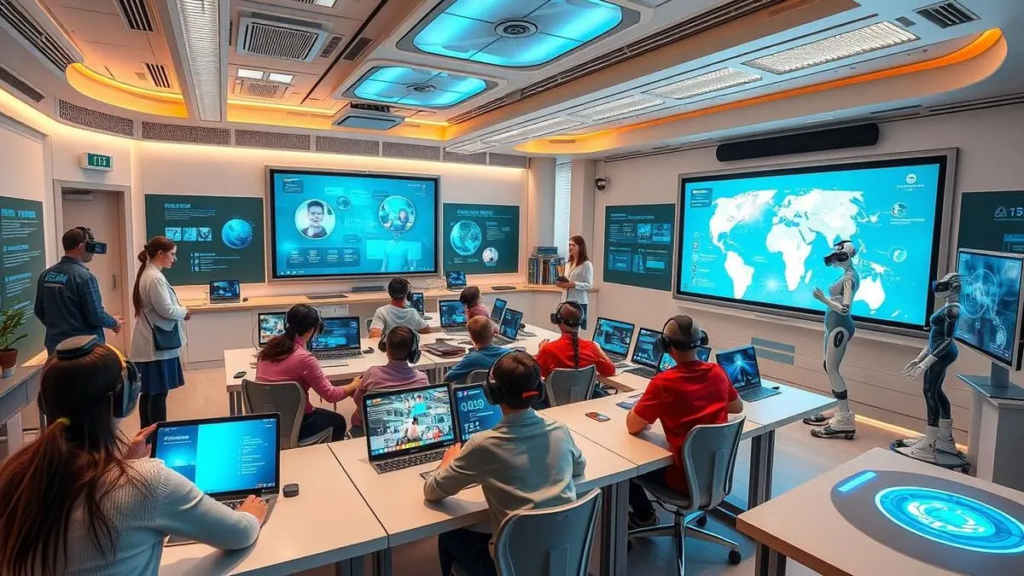
As we look ahead, it is evident that the landscape of tech education is undergoing rapid transformation driven by various emerging technologies and pedagogical innovations. The integration of artificial intelligence, machine learning, and virtual reality into educational frameworks is anticipated to redefine how knowledge is imparted and absorbed. Educators are likely to leverage these technologies not only to enhance learning experiences but also to cater to diverse learning styles, providing personalized educational pathways for students.
Furthermore, online learning platforms and remote education modalities are expected to gain further traction, promoting accessibility and inclusivity. Droven IO is at the forefront of these changes, offering resources and tools that adapt to new educational paradigms and empower both teachers and learners. The focus will shift toward hybrid models of education that blend traditional methods with digital advancements, which could lead to more engaging and effective learning environments.
Additionally, the importance of data analytics in education cannot be overstated. Educational institutions will increasingly utilize data to track student progress and improve curricula. This trend emphasizes not only the need for technical proficiency among educators but also the critical role of continuous professional development in keeping pace with technological advancements.
In conclusion, the future of tech education appears promising with a myriad of opportunities arising from current trends. The collaborative efforts of stakeholders, including educators, institutions, and technology providers like Droven IO, will be crucial as we navigate these changes. By embracing innovation, we can ensure that tech education remains dynamic and responsive to the needs of students and society as a whole, ultimately fostering a well-prepared workforce for the future.
