

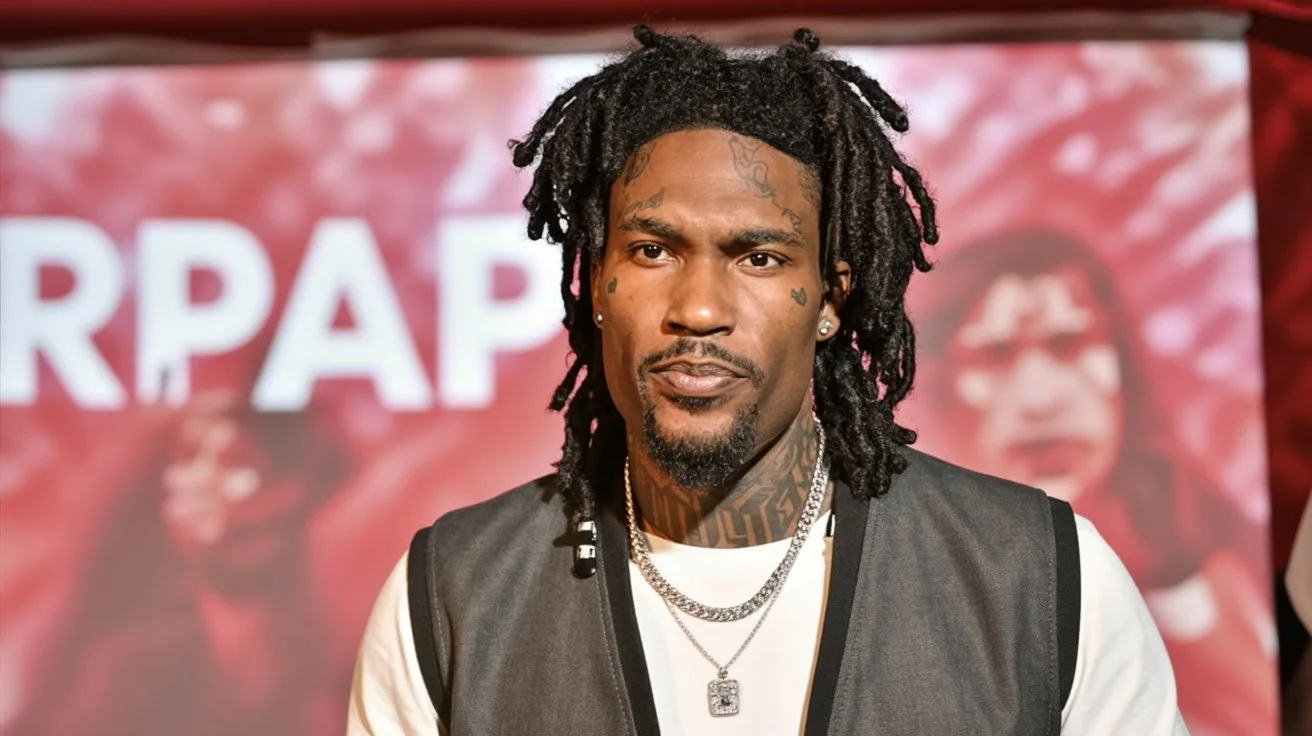
What is Hunxho Age?
The term “Hunxho Age” refers to a distinctive cultural and social phenomenon that has gained prominence in recent years, particularly among younger generations. It characterizes a phase of life wherein individuals experience a blend of traditional and modern values, navigating various aspects of personal identity, lifestyle, and social interactions. This age group is not confined to a specific age range, but rather signifies a zeitgeist reflective of contemporary youth culture.
The origin of the concept of Hunxho Age can be traced back to the growing influence of globalization and digital connectivity, transforming how young people communicate and engage with cultural artifacts. With the advent of social media and instantaneous information exchange, the behaviors and attitudes of youth have become increasingly eclectic, drawing inspiration from a spectrum of cultural influences. This phenomenon is underscored by the willingness of this age group to embrace fluid identities and diverse experiences.
In contemporary society, the relevance of the Hunxho Age is seen within various domains, including fashion, technology, and social issues. The individuals within this age group tend to champion inclusivity, advocate for environmental sustainability, and engage with social justice movements, thereby reflecting broader societal changes. The characteristics defining the Hunxho Age often include a focus on self-expression, a preference for experiential over material wealth, and an unwavering reliance on digital platforms for forging connections.
In summary, the Hunxho Age encapsulates a transformative period characterized by evolving social norms and greater cultural synthesis. Understanding these dynamics provides valuable insights into the ongoing shift in societal perceptions and the driving forces behind the actions and preferences of this generation.
Cultural Significance of Hunxho Age
The cultural significance of Hunxho Age manifests in various forms, deeply impacting art, music, fashion, and social movements. This age group, typically characterized by youthful exuberance and innovative perspectives, has positioned itself as a powerful influence in shaping modern culture. For instance, artists from this demographic often challenge traditional norms, bringing fresh narratives and identities into mainstream galleries and public spaces.
In the realm of music, the Hunxho Age has not only produced chart-topping artists but also catalyzed new genres and styles that resonate with diverse audiences. This generation utilizes platforms like social media to disseminate their work, fostering a dynamic dialogue among peers and across cultures. Noteworthy examples include music festivals that showcase emerging talent, often driven by themes of social justice and self-expression, cornerstones of the cultural identity inherent to the Hunxho Age.
Fashion trends originating from the Hunxho Age reflect a blend of individuality and community values, often emphasizing sustainable practices and inclusivity. Young designers face the challenge of merging traditional aesthetics with contemporary tastes, resulting in eclectic designs that often capture global attention. The cultural significance extends beyond mere aesthetics; it influences consumer behavior and collective consciousness, reinforcing the values favored by this demographic.
Moreover, social movements driven by the Hunxho Age are pivotal in advocating for change. Issues such as climate action, equity, and mental health awareness are passionately championed by individuals within this age group, who wield their influence to mobilize communities. This engagement is not only a testament to their commitment but also highlights their role in shaping societal values and future directions.
Challenges Faced by the Hunxho Generational Cohort
The Hunxho Age cohort faces a multitude of challenges that manifest in various aspects of their lives, particularly in mental health and economic stability. Mental health issues are prevalent among this generation, with rising rates of anxiety and depression attributed to socio-economic pressures and societal expectations. Studies indicate that the increased competition in both education and employment, coupled with a lack of adequate mental health support resources, contributes to a significant burden on their psychological well-being.
Another critical challenge for the Hunxho Age is economic hardship, characterized by instability in the job market and rising living costs. Many individuals within this cohort are burdened by student loans or accumulating debt, making it difficult to achieve financial independence. Reports suggest that a larger proportion of young adults are delaying major life decisions such as home ownership and starting families, largely due to these economic uncertainties. This delay can lead to feelings of inadequacy and frustration, further exacerbating mental health issues.
Furthermore, the pervasive impact of technology on interpersonal Hunxho Age relationships poses another significant hurdle. While technology facilitates connectivity, it often does so at the expense of face-to-face interactions, leading to social isolation and weakened social networks among the Hunxho Age. Experts argue that reliance on digital communication can diminish the quality of relationships, causing feelings of loneliness and detachment. The challenge lies in finding a balance between leveraging technology and maintaining meaningful personal connections.
In summary, addressing the challenges faced by the Hunxho generational cohort requires a holistic approach that considers mental health support, economic opportunities, and the importance of nurturing real-world relationships.
The Future of the Hunxho Age: Predictions and Perspectives
The Hunxho Age, characterized by its unique blend of technological advancement and evolving social values, is poised to redefine how future generations will navigate their lives. As we look forward, there are several key trends that may emerge from this generation, impacting lifestyle choices, career paths, and modes of social interaction.

Firstly, one of the most significant trends within the Hunxho Age may be the increasing prioritization of work-life balance. This generation is already leaning toward flexible working arrangements, valuing personal well-being and family time over traditional career trajectories. Future workplaces may evolve to accommodate remote work and virtual collaboration, engendering an environment where efficiency is measured by productivity rather than hours logged.
Additionally, social interactions are likely to continue to evolve under the influence of digital communication. With technology integrated into nearly every aspect of daily life, interpersonal relationships may increasingly be built on virtual connections, supplemented by occasional in-person meetings. The Hunxho Age could see the emergence of new forms of communities and networks formed in digital spaces, which may enhance global interconnectedness while also presenting challenges regarding the quality of relationships.
Moreover, environmental consciousness is expected to shape the values of future generations. The Hunxho Age has already displayed a strong affinity for sustainability and eco-friendly practices. As climate change and ecological degradation remain pressing challenges, it is anticipated that this generation will actively pursue careers and lifestyle choices that prioritize environmental stewardship. This could lead to innovations and movements that significantly influence societal frameworks.
In conclusion, the future of the Hunxho Age holds the potential for a society that is more technologically integrated, environmentally conscious, and focused on wellness. As these trends unfold, greater insights will emerge on how this generation continues to shape and influence future societal norms and expectations.
