

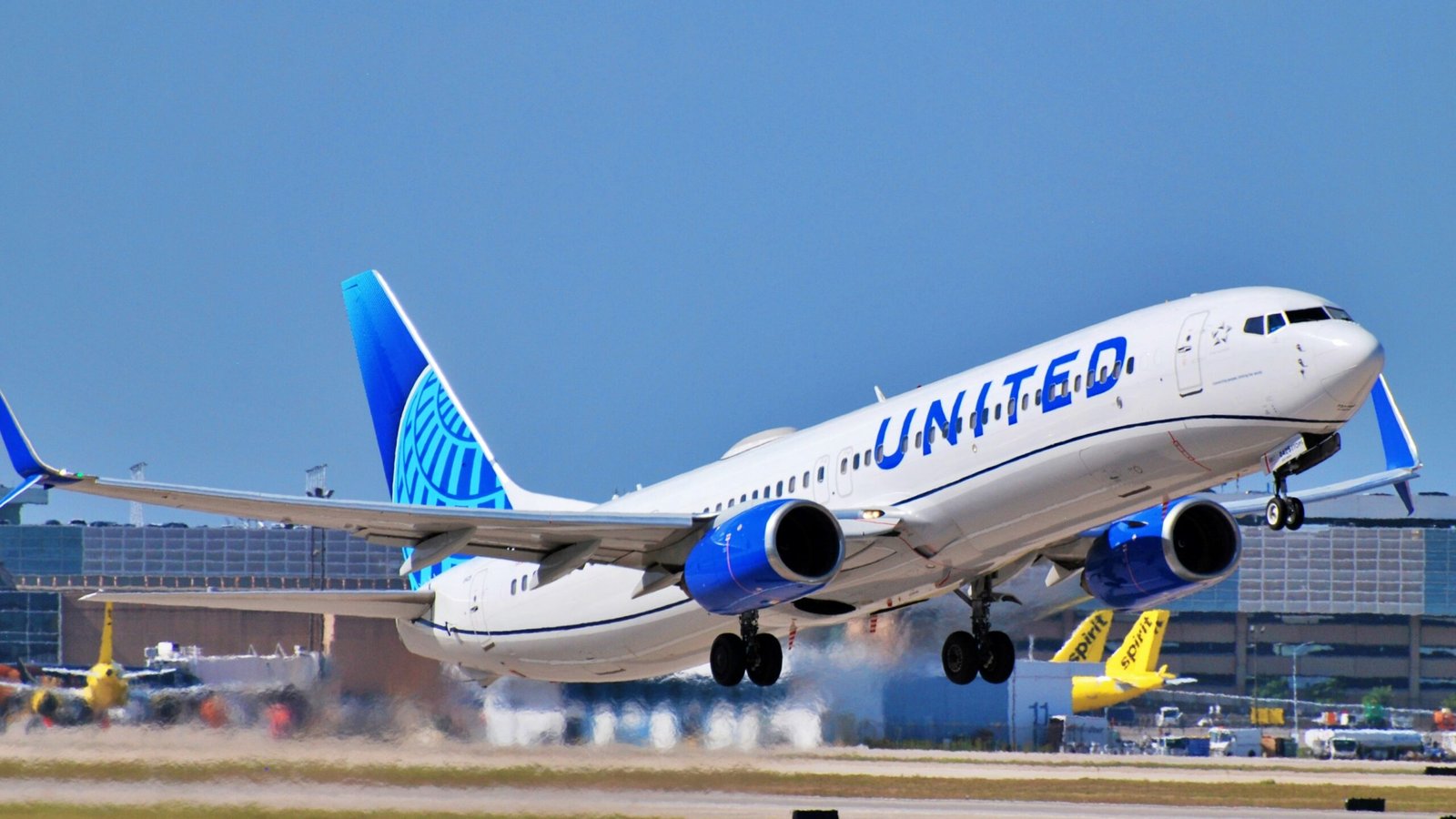
Overview of United Flight 1270
United Flight 1270, a scheduled domestic service, was operated by United Airlines, connecting the bustling airport of Los Angeles International Airport (LAX) to the lively city of Denver International Airport (DEN). This flight, which took off at approximately 3:00 PM local time, was made using a Boeing 737-800 aircraft, a widely utilized model known for its reliability and efficiency in aviation.
On board the aircraft were a total of 150 individuals, United Flight 1270 Emergency consisting of 140 passengers and a crew of 10. The demographics of the passengers ranged widely, including families, business travelers, and individuals visiting friends and relatives. Such a diverse passenger list added a unique layer to the context in which the united flight 1270 emergency would unfold.
As the flight departed, it held a routine trajectory, with anticipated smooth conditions for the entirety of the journey. The initial stages of the flight proceeded without incident, and it was projected to have a flight duration of approximately two hours. However, shortly after reaching cruising altitude, the crew reported experiencing unusual aircraft behavior which ultimately escalated into a significant emergency situation.
Understanding the context of United Flight 1270 requires an appreciation of the standard operations of commercial flights, as well as the protocols in place for addressing in-flight emergencies. The professional training and preparedness of both crew and on-board services play a pivotal role in safeguarding the well-being of passengers during unforeseen events.
Details of the Emergency Situation
The emergency situation involving United Flight 1270 unfolded during its routine flight path on a typical day in late May 2023. Shortly after takeoff from San Francisco International Airport, the flight crew reported unusual readings from the aircraft’s instruments. At approximately 15 minutes into the flight, alerts regarding a potential engine failure began to surface, prompting immediate assessments from the flight crew.
The flight deck team meticulously followed the emergency protocols outlined in their operational guidelines. The pilot swiftly initiated a series of checks to ascertain the situation’s severity. By this time, the aircraft had reached an altitude of approximately 10,000 feet, and the crew, fully aware of the gravity of the united flight 1270 emergency, promptly communicated their findings to air traffic control. This coordination between the ground staff and the flight crew was crucial, ensuring that relevant authorities were alerted and necessary preparations on the ground could be made.
As the emergency escalated, the flight crew took decisive action to stabilize the aircraft. Passengers were kept informed of developments, with cabin crew working diligently to maintain order and alleviate panic. The emergency landing procedures were reviewed, and the crew prepared for a possible return to San Francisco Airport.
Within minutes, the flight crew executed a plan to return to the departure airport, demonstrating exceptional professionalism and adherence to safety protocols. The flight landed safely without incident, and emergency services were on standby, ready to assist passengers and crew post-landing. Overall, the response from the crew during this united flight 1270 emergency showcased their training and commitment to passenger safety, highlighting the importance of preparedness in aviation crisis situations.
Passenger and Crew Response
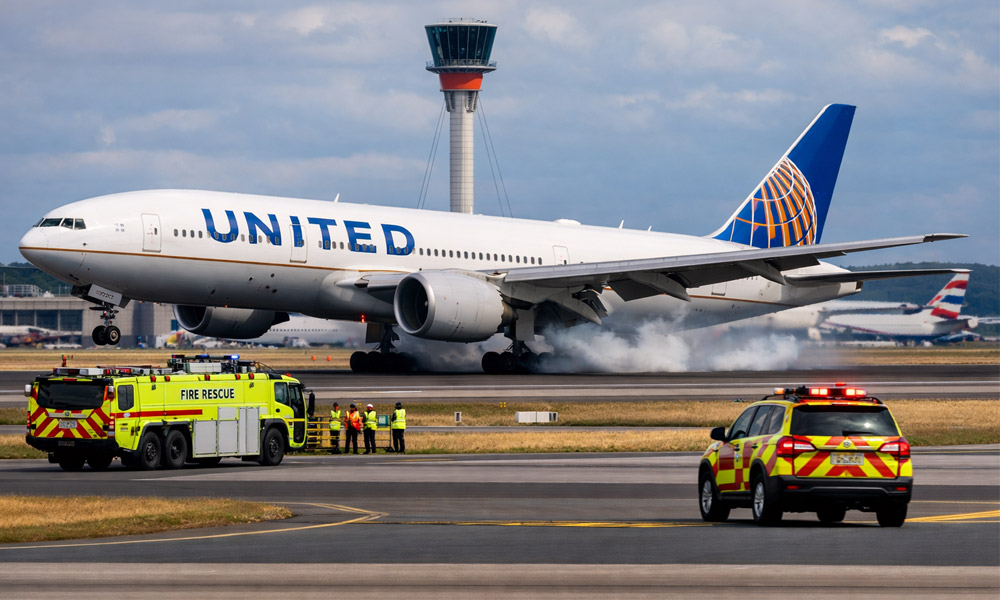
The United Flight 1270 emergency presented an unexpected challenge, bringing into sharp focus the preparedness of both crew and passengers. As the situation escalated, the flight crew swiftly implemented established emergency protocols. These procedures, honed through rigorous training and simulations, included securing the cabin and communicating effectively with air traffic control. The captain and co-pilot took charge, managing not only the aircraft’s controls but also the passengers’ safety.
Communication played a pivotal role. The flight attendants promptly began informing passengers about the situation, aiming to calm any fears while providing clear instructions about safety procedures. United Flight 1270 Emergency This immediate response reflects the extensive training that flight crews undergo, equipping them to handle emergencies with poise and efficiency. Passengers were guided on how to brace for impact and reminded of the crucial importance of keeping seatbelts fastened. The effectiveness of their training became evident; many passengers later expressed gratitude for the professional manner in which the crew handled the emergency onboard.
Accounts from those aboard the flight highlight human resilience in the face of adversity. Some passengers reported feeling a mix of fear and determination as they prepared for the unexpected landing. Their testimonials also reveal moments of camaraderie, with passengers assisting one another and displaying support. Notably, one passenger recounted having a considerable sense of trust in the skills demonstrated by the crew, which contributed to a calmer atmosphere. The reactions observed during the United Flight 1270 emergency illustrate not only the critical role of trained personnel but also the strength of human connections during crises.
Aftermath and Lessons Learned
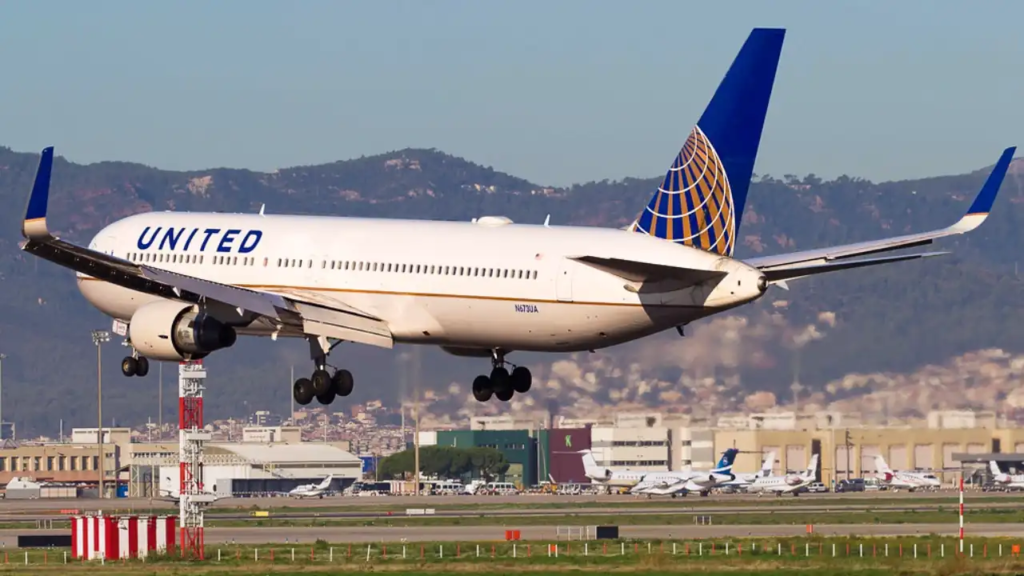
The incident involving United Flight 1270 is a stark reminder of the inherent risks associated with air travel. Following the emergency, United Airlines took swift action to address the situation and reassure passengers as well as the flying public. The airline undertook a comprehensive review of the circumstances surrounding the incident, implementing additional safety measures and training programs for its crew members to mitigate future risks.
Regulatory bodies, including the Federal Aviation Administration (FAA), were also quick to respond. An investigation was launched to analyze the factors contributing to the emergency. This review not only assessed the technical aspects of Flight 1270 but also examined the crew’s performance and decision-making processes during the crisis. Insights gained from this investigation are crucial for enhancing flight safety protocols across the airline industry.
The lessons drawn from the United Flight 1270 emergency extend beyond just operational improvements; they signal shifts in policy regarding emergency procedures. Airlines are expected to adopt more rigorous training regimens that emphasize real-time decision-making during inflight emergencies. Additionally, a clearer communication strategy between flight crews and ground control is crucial in times of crisis, ensuring that all parties are aligned and informed.
This incident ultimately reinstated the importance of maintaining high standards for safety in aviation. The implications for air travel safety standards are significant, as they encourage the implementation of more advanced technological solutions, such as improved flight data monitoring systems. In the aftermath of the United Flight 1270 emergency, safety practices are being scrutinized and refined, not only within the airline involved but across the global aviation landscape. This commitment to enhanced safety will aid in restoring public confidence in air travel as a secure mode of transportation.
