

The Origin of the Phrase “Shawty Bae”
The term “shawty bae” has its roots deeply embedded in hip hop culture, playing a significant role in the evolution of modern slang. Initially, the word “shawty” emerged from Southern hip hop in the 1990s and was used as a colloquial term for a young woman or girl. It often conveyed admiration or affection, encapsulating a sense of endearment that resonated within the music and social interactions of that era.
As hip hop gained mainstream popularity, terms like “Shawty Bae Age” became integral to the music and discourse, influencing a wider audience and transcending geographical boundaries. The melding of “shawty” with the term “bae”—an acronym for “before anyone else”—marked a creative evolution. “Bae” itself gained traction from social media platforms, notably Instagram and Twitter, and was popularized in various songs that celebrated romantic connections and emotional intimacy.
The fusion of “shawty” and “bae” reflected a cultural shift where affectionate expressions were not only embraced in personal relationships but also in the broader landscape of social media interactions. This phrase became emblematic of a playful yet heartfelt engagement, with users employing it to signal fondness, affection, or admiration towards someone special in their life.
Over the years, the phrase “shawty bae” has continued to evolve, adapting to the changing dynamics of language and communication in contemporary culture. As social media platforms introduce new generations of users, the phrase has solidified its presence in everyday vernacular, demonstrating how language is continuously molded through cultural influences, technology, and the interplay of various trends.
Who is Shawty Bae? A Look at the Influencer
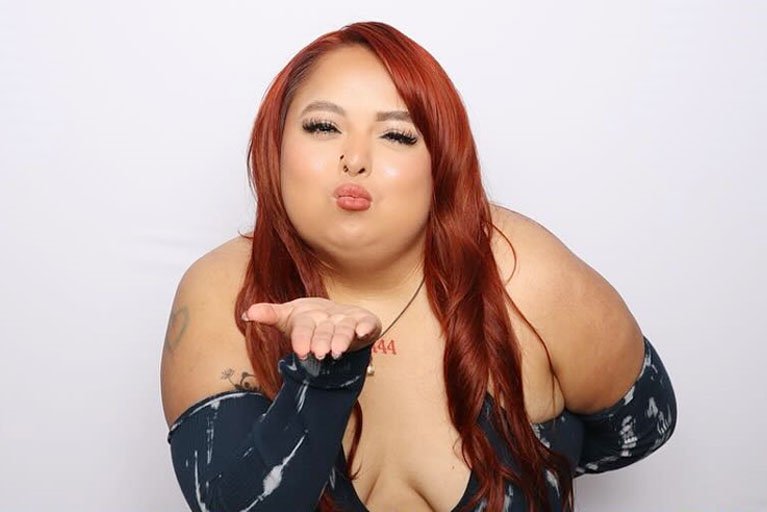
Shawty Bae, a prominent figure in social media and digital culture, has emerged as a noteworthy influencer recognized for their distinctive style and engaging content. Gaining popularity primarily through platforms like Instagram and TikTok, Shawty Bae captivates audiences with a unique blend of humor, authenticity, and relatable narratives. Their rise to fame can be traced back to viral videos and memorable posts that resonated with a younger demographic searching for both entertainment and community.
One of the key achievements contributing to Shawty Bae’s influence is their ability to connect with followers on a personal level. This connection has led to a devoted fan base that identifies with Shawty Bae’s messaging, including themes of self-acceptance and positivity. It is precisely this relatability that fosters engagement and encourages individuals to share Shawty Bae’s content, thereby amplifying their reach across various platforms.
Moreover, Shawty Bae has capitalized on their growing online presence by collaborating with numerous brands, thereby solidifying their status as a significant influencer in the space. These collaborations not only elevate Shawty’s profile but also highlight the influence of social media on contemporary marketing strategies. By aligning with brands that reflect their values and aesthetics, Shawty Bae continues to engage and inspire more followers, leading to discussions about their age and diverse interests. Furthermore, Shawty Bae’s connection with the audience transcends superficial content, allowing for deeper discussions about identity and societal norms, all while keeping the interactions lighthearted. Consequently, Shawty Bae has become a representative figure in the social media landscape, prompting curious individuals to delve into the nuances of their age, interests, and cultural impact.
Understanding “Shawty Bae Age” and Its Impact
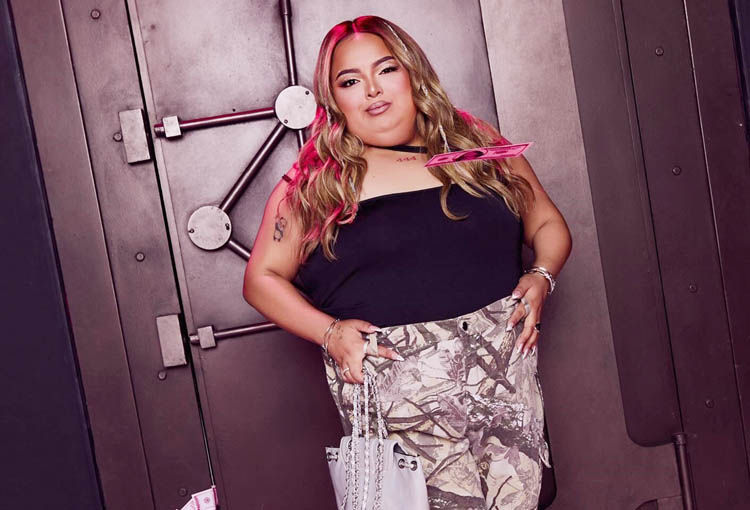
The phrase “shawty bae age” has emerged as a popular term in contemporary youth culture, encapsulating perceptions of attractiveness, desirability, and the dynamics of relationships. This term often conveys more than just a numerical value associated with age; it reflects a broader societal attitude towards youth and the attributes that come with it, wrapping a myriad of expectations and sentiments into one expression. In the realm of social media and pop culture, the significance of age has taken on new meanings, often amplifying the allure associated with being young.
Within certain social circles, “Shawty Bae” denotes someone who is attractive, slim, or youthful, while “bae” serves as an affectionate term for a romantic partner. When these terms are combined with age, they suggest an idealization of youthfulness in relationships. The phrase not only highlights the desirability of younger partners but also reveals underlying cultural nuances about age gaps and attraction. It indicates a preference for partners who are younger, reflecting shifts in societal norms where age is increasingly viewed as a flexible concept, especially in romantic contexts.
Moreover, the phrase addresses the societal trends surrounding beauty and desirability, which often equate youth with attractiveness. This perspective can create undue pressure on individuals to conform to certain standards, perpetuating the idea that one’s worth or desirability diminishes with age, a perception that is particularly salient in digital spaces. As a result, the term ignites discussions about the implications of promoting youth-centric ideologies and their impact on relationships, self-esteem, and societal expectations. Understanding the “shawty bae age” phenomenon is essential for analyzing how youth culture shapes interpersonal dynamics and influences perceptions of beauty and value in modern society.
The Cultural Relevance of “Shawty Bae Age” Today
The phrase “shawty bae age” has become a cultural touchstone in contemporary society, weaving itself into various aspects of popular culture, including music, social media, and memes. This term resonates particularly with younger generations, who often navigate discussions about identity, relationships, and societal expectations in online spaces. The popularization of “shawty bae age” may be traced back to the ongoing evolution of language within youth culture, where catchy phrases quickly gain traction.
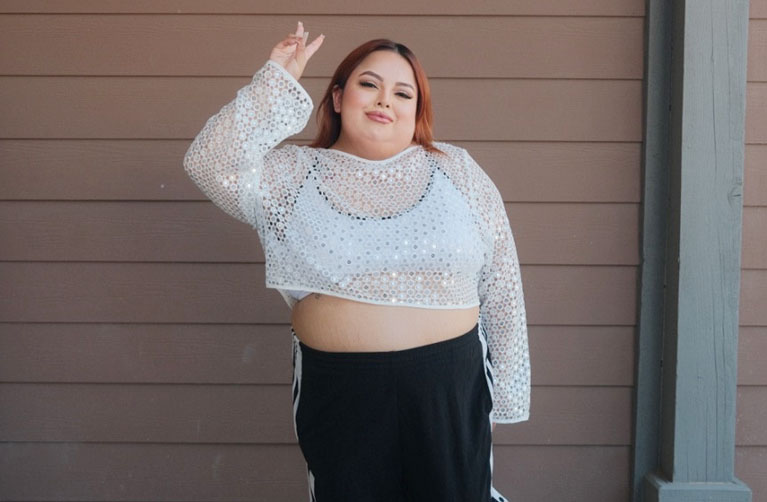
This phrase often carries connotations of youthful beauty and desirability. In the context of memes, the repeated use of “shawty” highlights a playful appreciation of youth, often humorously depicting various scenarios tied to attraction and romantic pursuits. The juxtaposition of “shawty” with “bae” reflects the dynamic linguistic creativity of youth, as they redefine communication norms within their social circles. This cultural relevance extends beyond mere entertainment, tapping into deeper societal themes such as self-image and the pressures surrounding beauty standards.
Furthermore, “shawty bae age” encapsulates broader discussions about youth identity in the age of social media. As young people curate their online personas, the notion of age becomes intertwined with trends, where societal norms about beauty and desirability can rapidly change. This connection between the phrase and societal expectations illustrates how youth culture seeks validation through external appearances, while also wrestling with pressures that arise from constant comparison to others.
In summary, the significance of “shawty bae age” in today’s culture reflects the multifaceted nature of youth identity, continuously evolving with societal changes. It serves as a poignant reminder of how language, memes, and social commentary intersect, revealing the complexities of beauty standards and the identities that young people forge in a digital world.
