
The Short Answer
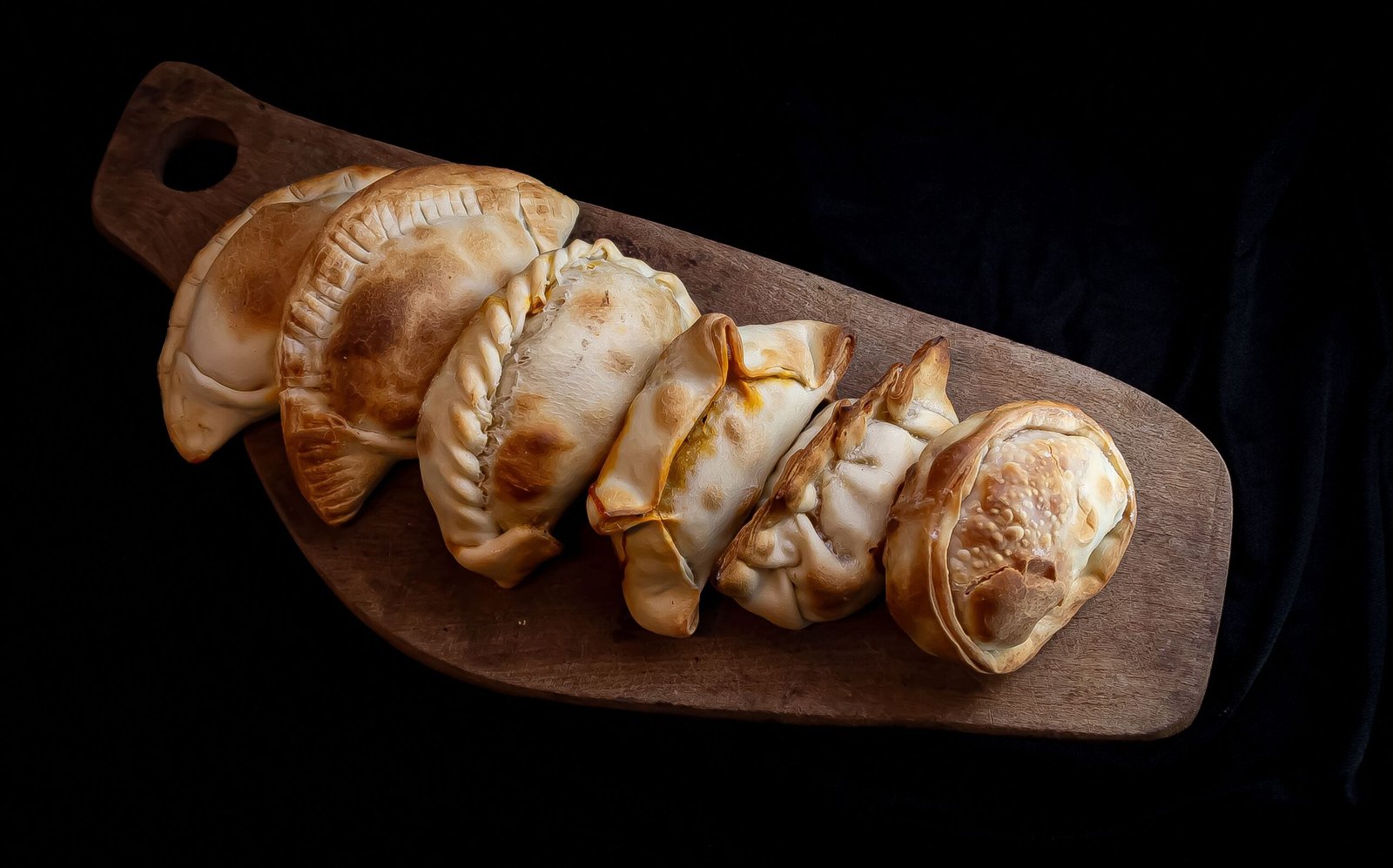
If you are searching for the best empanadas near me, here is the quick answer: empanadas are hand-held pastries made from wheat or corn dough, folded around a savoury filling, then baked or fried until golden. The most popular filling is spiced beef with onion, egg and olive, followed closely by chicken and ham and cheese. The best empanadas near me are usually found at Argentine restaurants and empanaderias, Latin bakeries, food trucks and markets, where they are made fresh in small batches and served warm. A good one has a crisp, golden shell, a tightly sealed edge and a juicy filling. You can also make excellent empanadas at home with ready-made dough discs.
What Are Empanadas?
An empanada is a folded pastry pocket. A round of dough is filled, folded in half, sealed around the edge and then baked or fried. The word comes from the Spanish verb empanar, which means to wrap or cover in bread.
Empanadas come from Spain, with their deepest roots in Galicia in the north-west. Meat pies wrapped in dough were eaten across medieval Iberia, and food historians connect them to the stuffed pastries of the Arab world, such as sambusak, which arrived during centuries of Moorish rule. One of the earliest written recipes appears in the Libre del Coch, a Catalan cookbook printed in 1520, which includes empanadas filled with seafood. Spanish and Portuguese colonists carried empanadas to the Americas in the 16th century, and the idea changed in almost every country it reached. Today they are a staple across Spain and Latin America, eaten as a snack, as street food, as a starter and as a light meal. A single empanada makes a snack; two or three with a salad make a meal. That is why so many people search for empanadas near me when they want something quick, warm and filling.
The Main Types of Empanadas by Country
There is no single empanada. The dough, the shape, the cooking method and the filling all change from country to country, and knowing the differences helps you choose well when you are looking for empanadas near me.
Argentine empanadas are the most famous version. They use wheat dough, often made with beef fat or butter, and are usually baked, although they are fried in the north-west. Their signature is the repulgue, the braided rope-like edge that seals the pastry. Every province has its own style. Tucumanas from Tucuman use knife-cut beef with green onion, cumin and egg, cooked in a clay oven or fried. Saltenas from Salta are small and juicy, filled with hand-cut beef, diced potato, green onion, paprika and egg. Mendocinas from Mendoza use as much onion as meat, with green olive and egg, and are baked. Cordobesas are known for a sprinkle of sugar on the edge, and Catamarquenas add raisins and are sweeter. Note that Argentine saltenas from Salta are not the same dish as Bolivian saltenas. Later immigrants added ham and cheese, caprese and the triangular empanada arabe. Most Argentine restaurants you find when you search for empanadas near me serve the baked wheat version.
Chilean empanadas are often baked and filled with pino, a mixture of beef, onion, raisins, black olives and hard-boiled egg, or with cheese. Bolivian saltenas are baked, juicy pastries with a slightly sweet dough, traditionally eaten in the morning. In Colombia and Venezuela, empanadas are usually made from corn dough and fried until crisp, with a golden, crunchy shell and fillings of shredded beef, chicken and cheese. Mexican empanadas vary by region and include tuna, chicken tinga and sweet fillings like pumpkin or fruit. In Spain, the empanada gallega is a large pie, often filled with tuna, tomato and pepper, baked and cut into slices. In Puerto Rico and the Dominican Republic, empanadas are usually fried wheat turnovers, known as pastelillos or empanadillas, with adobo-seasoned fillings. Look for the Andean and Caribbean styles at places serving empanadas near me that specialise in Latin food.
The Most Popular Empanada Fillings
When you are choosing from a menu at a place selling empanadas near me, these are the fillings you will meet most often.
Carne (beef). The most popular filling everywhere. Argentine beef empanadas use ground or knife-cut beef with onion, paprika, cumin, chopped hard-boiled egg and green olives. It can be mild (suave) or spicy (picante).
Pollo (chicken). Shredded or diced chicken, cooked with onion, peppers and spices. A lighter option than beef and a favourite with children.
Jamon y queso (ham and cheese). Ham and melted cheese, simple and rich. In Argentina this is the second most popular filling after mild beef, and it is the one many first-time eaters start with.
Humita (creamed corn). Sweet corn cooked into a creamy filling, sometimes with cheese. A vegetarian favourite and a taste of the Andean region.
Cebolla y queso (onion and cheese). Caramelised onion with melted cheese, sweet and savoury at once.
Atun (tuna). Tuna with onion, tomato and sometimes egg or peppers. Common in Spain and in coastal Latin America.
Sweet empanadas. Dulce de leche, quince paste (dulce de membrillo), apple or chocolate. These are dessert empanadas, often dusted with sugar.
If you are unsure what to order from a menu of empanadas near me, start with beef and ham and cheese. Between them they show you what the shop does best.
Baked or Fried: Which Is Better?
Empanadas can be baked or fried, and both methods produce delicious results. The choice depends on the filling and on the texture you want.
Baking is the lighter option. It produces a flaky, tender shell with a golden outside, especially when the dough is brushed with egg wash. Baked empanadas are lower in fat, they keep well, and they suit delicate fillings such as cheese and spinach or fruit. The risk with baking is steam: a wet filling can make the dough damp from the inside and stop it crisping, and trapped steam can burst the pastry. The fix is simple: poke a small venting hole in the dough before baking so steam can escape.
Frying is the traditional method in most Spanish-speaking countries. Hot oil seals the empanada quickly, firms up the seal and stops it bursting, and it creates a crisp, crunchy exterior in just a few minutes. The rule chefs follow is straightforward, and it applies whether you are buying empanadas near me or cooking at home: a dry filling with no sauce or cheese inside tends to bake well, while anything saucy or cheesy fries better, because a wet filling makes baked dough soggy. Neither method is wrong, and most shops selling empanadas near me offer both. If you want a lighter empanada where the filling flavour comes first, choose baked. If you want maximum crunch, choose fried.
The Repulgue: The Braided Edge That Tells You What Is Inside
Look at the edge of an Argentine empanada and you will see the repulgue, the twisted, rope-like seal made by folding and pinching the dough over itself, usually 12 to 15 folds around the curve. Some traditions hold that a proper repulgue has thirteen pleats. It is a small detail, but it is one of the signs of a careful kitchen, and it is worth looking for when you buy empanadas near me.
The repulgue does two jobs. First, it seals better than a fork crimp, which matters for a juicy filling. Second, it is how bakeries tell fillings apart at a glance. Each shop uses its own code: a braided edge for beef, a pinched cushion shape for ham and cheese, a small mark or a sprinkle of sugar for another filling. Many shops display a diagram showing which fold means which filling. When you buy empanadas near me from a proper empanaderia, check the board: it tells you exactly what is inside each one.
How to Find the Best Empanadas Near Me
Finding great empanadas near me is easier than it looks once you know where to search. Argentine restaurants and empanaderias are the first place to look: a dedicated empanada shop will usually offer eight to fourteen fillings and bake in small batches through the day, and Argentine restaurants and parrillas almost always serve empanadas as a starter, which is why a search for empanadas near me so often leads to an Argentine restaurant. Latin bakeries and delis are another good choice; they often sell empanadas alongside bread and cakes, baked fresh in the morning. Empanadas are ideal street food, so food trucks and market stalls are common places to find them, usually fried to order and eaten hot. Most large supermarkets also stock frozen empanadas and ready-made dough discs in the frozen aisle.
When you search, look for Argentine restaurants, Latin bakeries or empanada shops in your area, and check recent reviews that mention empanadas by name rather than the restaurant in general. A place praised for its empanadas specifically is a better bet than a place that merely lists them on the menu. That is how you separate the best empanadas near me from the average ones.
What to Look For in a Good Empanada
A good empanada gives itself away before you take a bite. The shell should be golden and crisp, not pale or greasy. The edge should be firmly sealed with no leaks and no burst seams. The pastry should feel light in the hand, not heavy or doughy. The filling should be juicy and well seasoned. It should be served warm, not lukewarm, and eaten soon after it comes out of the oven or fryer, because empanadas lose their crunch as they cool. If a shop makes them in small batches through the day, that is a very good sign.
What to Ask Before You Order
Ask which fillings are made fresh today, and which one the staff recommend. Ask whether the empanadas are baked or fried, and whether the beef is mild or spicy. If you are ordering several, ask for a mix: beef, chicken, ham and cheese and humita will show you the range of the shop. If you have allergies, ask about the dough and the filling, because wheat, egg, milk and nuts can all appear in empanadas. A good shop will answer all of these questions happily, and that is another sign you have found good empanadas near me.
How to Make Empanadas at Home
Making empanadas at home is simpler than it looks, and it is the cheapest way to eat them well. If you cannot find good empanadas near me where you live, a home batch is the next best thing.
Use ready-made dough discs. The easiest start is a packet of frozen empanada dough discs, sold as tapas para empanadas, which you defrost before use. Some brands make separate discs for baking and for frying, so buy the right kind for your plan.
Cook the filling first. Always pre-cook the filling and let it cool completely before you assemble the empanadas. A hot or wet filling melts the dough and makes it soggy. Keep the filling fairly dry, and do not overfill: a tablespoon or two per disc is enough.
Seal them well. Place the filling on one half of the disc, brush the edge with water or beaten egg, fold the dough over and press firmly. Then crimp the edge with a fork or fold it into a simple repulgue. A good seal is the difference between a perfect empanada and a burst one.
Bake or fry. To bake, brush with egg wash, poke a small vent hole in the top, and bake at around 200 to 220 degrees Celsius (400 to 425 degrees Fahrenheit) for 20 to 25 minutes until deep golden. To fry, lower the empanadas into hot oil for two to four minutes until crisp and golden, then drain on paper. Baked empanadas reheat well in the oven; fried ones are best eaten fresh.
Freeze the extras. Empanadas freeze well, either uncooked or cooked. Freeze them in a single layer on a tray, then pack them into bags. Bake or fry from frozen, adding a few extra minutes. Once you have made a batch, you will know exactly what to look for the next time you search for empanadas near me.
What to Serve With Empanadas
Empanadas need very little with them. Chimichurri, the sharp herb sauce of parsley, garlic, oregano, vinegar and oil, is the classic partner, and salsa criolla, a chopped relish of tomato, onion and pepper, is another. A simple green salad, some pickled red onion or a wedge of lemon is enough alongside. For drinks, a cold beer, a glass of red wine or a sparkling lemonade all work. That is all you need to turn a bag of empanadas near me into a proper meal.
What are empanadas?
Empanadas are hand-held pastries made from wheat or corn dough, folded around a savoury or sweet filling, then baked or fried. They come from Spain and are now a staple across Latin America, with each country having its own dough, fillings and cooking method. That variety is exactly why people search for empanadas near me instead of settling for one kind.
What is the most popular empanada filling?
Beef is the most popular filling everywhere. In Argentina, mild beef with onion, egg and olive is the top seller, followed closely by ham and cheese, with chicken and knife-cut beef close behind.
Are empanadas baked or fried?
Both. Argentine empanadas are usually baked, while Colombian, Venezuelan and Caribbean empanadas are usually fried. Dry fillings bake well, while wet, saucy or cheesy fillings fry better, because frying seals the pastry quickly and keeps the dough crisp, and that is the first thing to ask when you order empanadas near me.
What is the braided edge on an empanada called?
It is called the repulgue. It is made by folding and pinching the edge of the dough over itself, usually 12 to 15 times around the curve. It seals the empanada and, in many shops, the pattern of the fold shows which filling is inside.
Are empanadas gluten-free?
Usually not. Most empanadas use wheat dough. Colombian and Venezuelan empanadas use corn dough, which can be gluten-free, but you should always ask the shop, because fillings and cooking surfaces can contain gluten. If you are hunting for empanadas near me and need a gluten-free option, corn-dough versions are your best bet, but always confirm with the shop.
Can you freeze empanadas?
Yes. Empanadas freeze well uncooked or cooked. Freeze them in a single layer first, then pack them into bags. Bake or fry them from frozen, adding a few extra minutes, and reheat baked empanadas in the oven so the shell stays crisp.
What is the difference between an empanada and a Cornish pasty?
Both are hand-held filled pastries, but they come from different traditions. A Cornish pasty uses a shortcrust pastry and a filling of beef, potato, swede and onion, while an empanada uses a thinner wheat or corn dough with Latin American fillings such as spiced beef, chicken, ham and cheese or humita, and is sealed with a repulgue.
How do I find the best empanadas near me?
Look for Argentine restaurants and empanaderias, Latin bakeries, food trucks and markets, and check reviews that praise the empanadas by name. A good empanada has a golden, crisp shell, a firmly sealed edge and a juicy, well-seasoned filling, and it is served warm from a small fresh batch.
Whether you buy them from a local empanaderia or make a batch at home, the next time you search for empanadas near me you will know exactly what to look for. Empanadas are one of the simplest pleasures in Latin American food: crisp pastry, a generous filling and no cutlery needed. For more recipes, food guides and kitchen ideas, visit Smart Visions.
