
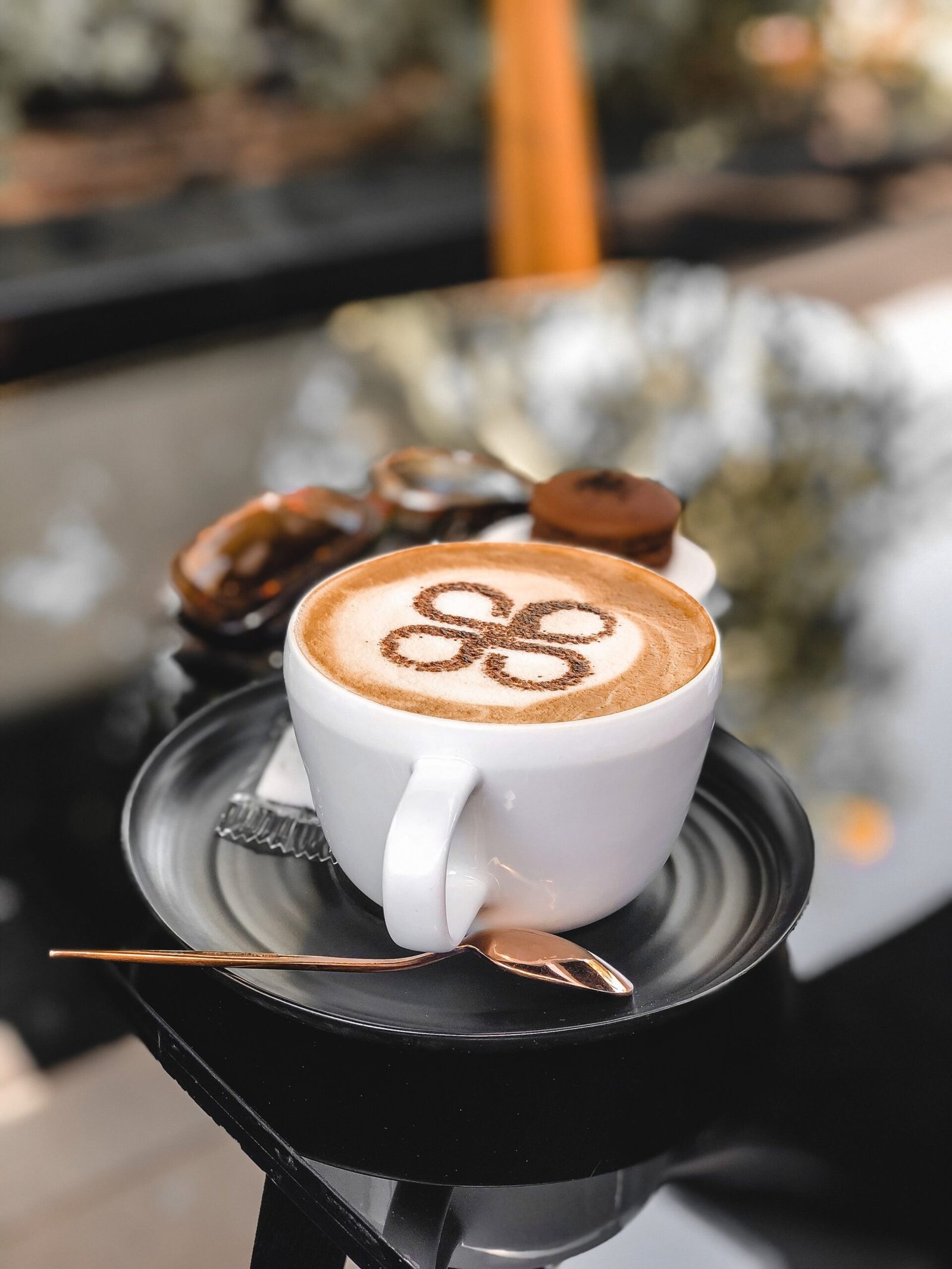
If you are searching for the best cappuccino near me, you want one of the world’s most loved coffee drinks done properly: a small cup of rich espresso, silky steamed milk and glossy foam in perfect balance. The best cappuccino near me is not the biggest or prettiest cup on the menu. It is the one where the coffee still shines through the milk, the foam feels like liquid velvet, and the cup is the right size. This guide explains what a cappuccino is, how to judge one, where to find a great one, and how to make one at home.
What Is a Cappuccino?
A cappuccino is an Italian coffee drink made from three equal parts: espresso, steamed milk and milk foam. The classic ratio is 1:1:1, served in a small cup of 150 to 180 ml, about 5 to 6 ounces. That small size is what makes the best cappuccino near me taste of coffee, not just milk.
The name comes from the Capuchin friars of Italy, whose brown robes matched the colour of the drink. It took shape once steam-driven espresso machines arrived in the early 20th century, and by the 1950s it was a standard order in Italian bars, usually drunk in the morning and finished before 11 am.
The World Barista Championship defines a cappuccino as 150 to 180 ml with foam at least 1 cm deep, and that is the size to look for in the best cappuccino near me.
What Makes a Great Cappuccino?
A great cappuccino balances four things: the espresso, the milk, the foam and the temperature. The best cappuccino near me always gets these four right.
The espresso
Everything starts with a well-pulled shot, usually a double shot of about 36 ml from 18 grams of freshly ground beans. Fresh beans matter most, because coffee goes stale quickly once ground. The espresso should taste sweet and rounded, not sharp or bitter — bitterness means under-extraction or stale beans.
The milk
Whole milk is the gold standard: around 3.5 percent fat creates smooth, stable foam and a naturally sweet taste. Steam it to 60 to 65°C, where milk tastes sweetest. Above 70°C the proteins break down, sweetness disappears, and the milk tastes flat and cooked.
The microfoam
The foam on a great cappuccino is not a stiff pile of bubbles. It is microfoam: milk stretched with tiny, even bubbles until it looks glossy and smooth, like wet paint. Tilt the cup and the foam should move with the milk, not sit on top like a separate cap. Big, dry bubbles mean over-aerated milk and a thin, airy drink.
The size and the cup
A traditional cappuccino comes in a thick ceramic cup of 150 to 180 ml, pre-warmed so the drink stays hot. Bigger cups change the drink: more milk makes the coffee taste weaker. If a cafe serves its cappuccino in a large mug, you are getting a milky latte, not the best cappuccino near me.
Cappuccino vs Latte vs Flat White
These three drinks look similar on a menu, but they are built differently. Knowing the difference helps you order the best cappuccino near me instead of a latte by mistake.
| Drink | Espresso | Milk | Foam | Size | Taste |
|---|---|---|---|---|---|
| Cappuccino | 1 part | 1 part steamed milk | 1 part foam | 150–180 ml | Balanced, coffee-forward, creamy |
| Latte | 1 part | 3–4 parts steamed milk | Thin layer | 240–360 ml | Mild, milky, smooth |
| Flat white | Double shot | Steamed milk, very little foam | Almost none | 150–180 ml | Strong, velvety, intense |
A cappuccino is the most balanced of the three. A latte is bigger and milkier, and a flat white is stronger, with the milk fully mixed into the coffee. If you want to taste the coffee, order a cappuccino or a flat white.
Dry cappuccinos have more foam and less milk; wet ones have more milk and less foam.
How to Judge a Cappuccino
You can judge a cappuccino in seconds. Coffee professionals use it as a test of a cafe, because it is one of the hardest drinks to make well every time.
Look at the cup
The cup should be warm to the touch and the surface glossy and smooth. Latte art shows the barista cares and the milk was textured properly, because it is only possible with good microfoam.
Check the foam
Good foam has no visible bubbles and looks like glossy cream, not bath foam. Stiff, dry foam full of large bubbles means over-aerated milk. Almost no foam at all means the drink is closer to a latte than the best cappuccino near me.
Take the first sip
The first sip should taste sweet and rounded, with the espresso coming through clearly and the milk adding creaminess. Bitter means under-extracted espresso or stale beans. Mostly milk means too much milk or too little coffee. That is the best cappuccino near me test: you should taste both the coffee and the milk, in balance, in every sip.
Red flags
A cup much bigger than 180 ml. Milk so hot it burns your tongue. A thick, dry foam cap like meringue. Chocolate powder dumped on top to hide poor milk. Any one of these is a reason to try a different cafe next time.
Where to Find the Best Cappuccino Near Me
The best cappuccino near me is usually found at an independent coffee shop or an Italian cafe, not at a large chain.
Independent coffee shops
Independent and specialty shops are the best bet. They buy fresh beans from a local roaster, grind them for each drink, and train their baristas to steam milk properly. Look for a clean espresso machine, beans on display with the roast date, and a small menu focused on coffee. A shop that takes its cappuccino seriously serves it in a proper ceramic cup, at the right size, with milk steamed fresh for your drink.
Italian cafes
Italian cafes and delis are another good place to look. An Italian-run cafe will usually make it the traditional way: small cup, strong espresso, silky foam, no flavour syrups. If the regulars order it at the counter in the morning, you are probably in the right place.
Chains vs independents
Big chains can make a decent cappuccino, and their consistency is a real advantage. But chains usually serve a larger cup, often 240 ml or more, with more milk and less coffee character. Use chains when you want something reliable and fast. Use independents when you want the best cappuccino near me.
How to Order a Cappuccino
Here is how to order the best cappuccino near me like you know coffee.
Single or double shot
Most cafes pull a double shot as standard. That is the classic strength of the best cappuccino near me in a small 150 ml cup. If you like your coffee stronger, ask for an extra shot. If you prefer it milder, ask for a single shot.
Milk choices
Whole dairy milk gives the best foam and the sweetest taste, and it is the default in most good cafes. If you do not drink dairy, barista oat milk is the best alternative: it is made to foam like dairy and has a mild, sweet flavour. Almond milk foams less well and can taste thin, and soy milk can split if it gets too hot.
Size, dry or wet
Ask for the small or regular size, not the large: a large cappuccino is usually just a latte in disguise. If you like a lighter, foamier drink, ask for it dry. If you prefer it creamier, ask for it wet.
Skip the extras
A traditional cappuccino has no syrup, no whipped cream and no chocolate sauce. A light dusting of cocoa or cinnamon is traditional and harmless, but flavoured syrups hide the taste of the coffee and the milk. If you want to taste the best cappuccino near me, order it plain first.
How to Make a Cappuccino at Home
If the best cappuccino near me is out of reach, you can make a very good one at home. You need fresh beans, a way to make espresso, and a way to steam milk.
What you need
You will need an espresso machine or a stovetop moka pot, fresh beans and a grinder, cold whole milk, a small stainless steel milk jug, and a thermometer if you have one. A steam wand is best for frothing; a handheld frother or a French press works too.
Ingredients
For one cappuccino: 18 grams of fresh beans, ground fine, for a double shot of about 36 ml; and about 120 ml of cold whole milk, which expands as it foams to fill the cup.
Method
First, warm your cup with hot water and empty it. Grind the beans and pull a double shot, aiming for 25 to 30 seconds of extraction: the coffee should flow like warm honey. Pour the cold milk into the jug, up to just below the spout.
Next, steam the milk. Hold the steam wand just below the surface and turn the steam on. You should hear a gentle hiss as air goes in. Once the milk has grown by about a third, lower the wand a little deeper and let the milk spin until the jug feels hot to hold, around 60 to 65°C. Tap the jug to pop large bubbles, then swirl until glossy.
Now pour. Start high and slow, mixing the milk into the espresso, then bring the jug closer and pour a little faster to let the foam float on top. For latte art, keep the jug close and move it gently side to side. Drink it straight away, while it is hot and the foam is fresh. Use beans roasted within the last few weeks, keep the milk cold until you steam it, and never reheat steamed milk. With a little practice, a homemade cappuccino can rival the best cappuccino near me at a decent cafe.
Common Mistakes to Avoid
The most common mistake is milk that is too hot. Above 70°C the milk loses its sweetness and the foam falls apart, so stop steaming while the jug is still comfortable to hold. Second is too much air: foam like stiff bubbles instead of glossy cream means you stretched the milk too long. Third is a cup that is too big, which turns a cappuccino into a latte. Fourth is stale coffee: beans ground days ago, or an uncleaned machine, will make a bitter drink no matter how good the milk is.
Is a Cappuccino Healthy?
A plain cappuccino is a fairly light drink. A standard 150 to 180 ml cappuccino made with whole milk has around 60 to 80 calories, and a single shot of espresso contains roughly 60 to 75 mg of caffeine. It has no added sugar unless you add it, and the milk gives you some calcium and protein.
It is healthier than most sweetened coffee drinks, because there is no syrup or whipped cream. The main thing to watch is size: a large chain cappuccino with extra milk and sugar can easily pass 200 calories.
Frequently Asked Questions
What is the best cappuccino near me made of?
The best cappuccino near me is made of three equal parts: espresso, steamed milk and milk foam, in a 1:1:1 ratio, served in a 150 to 180 ml cup. A double shot of espresso, about 36 ml, with steamed whole milk at 60 to 65°C and silky microfoam at least 1 cm deep is the classic standard.
How do I find the best cappuccino near me?
Look for an independent coffee shop or an Italian cafe that grinds fresh beans, serves cappuccinos in small ceramic cups, and steams milk fresh for each drink. The cup should be warm, the foam glossy with no visible bubbles, and the first sip sweet and balanced.
What is the difference between a cappuccino and a latte?
A cappuccino is equal parts espresso, steamed milk and foam in a 150 to 180 ml cup, so it tastes balanced and coffee-forward. A latte uses one part espresso to three or four parts steamed milk in a larger 240 to 360 ml cup, with only a thin layer of foam, so it tastes milder and milkier.
Is a cappuccino stronger than a latte?
Yes, a cappuccino usually tastes stronger than a latte, because it has less milk for the same amount of coffee. Both often use the same double shot, but the latte dilutes it with far more milk. If you want to taste the coffee, the best cappuccino near me is the stronger choice.
What milk is best for a cappuccino?
Whole dairy milk is best for a cappuccino. Its fat content of around 3.5 percent creates the smoothest, most stable microfoam and the sweetest taste. Barista oat milk is the best dairy-free alternative. Almond milk foams less well and soy milk can split if it gets too hot.
How hot should cappuccino milk be?
Cappuccino milk should be steamed to 60 to 65°C, where milk tastes at its sweetest and the foam is most stable. Above 70°C the milk proteins break down, the sweetness disappears, and the milk tastes flat and cooked.
Can I make a cappuccino at home?
Yes. With fresh beans, an espresso machine or moka pot, cold whole milk and a steam wand or frother, you can make a cappuccino at home that rivals the best cappuccino near me at a good cafe. Grind the beans fresh, pull a double shot, steam the milk to 60 to 65°C, and pour it into a pre-warmed 150 to 180 ml cup.
How much caffeine is in a cappuccino?
A cappuccino made with a double shot of espresso contains roughly 120 to 150 mg of caffeine, while a single-shot cappuccino has about 60 to 75 mg. The exact amount depends on the beans and the dose, but it is similar to a cup of filter coffee and less than most energy drinks.
A great cappuccino is a small thing done well: fresh espresso, sweet milk at the right temperature, and foam so smooth it looks like wet paint. Whether you find the best cappuccino near me at an independent coffee shop, an Italian cafe, or your own kitchen, now you know exactly what to look for — and what to ask for. For more food guides, recipes and restaurant ideas, visit Smart Visions.
