
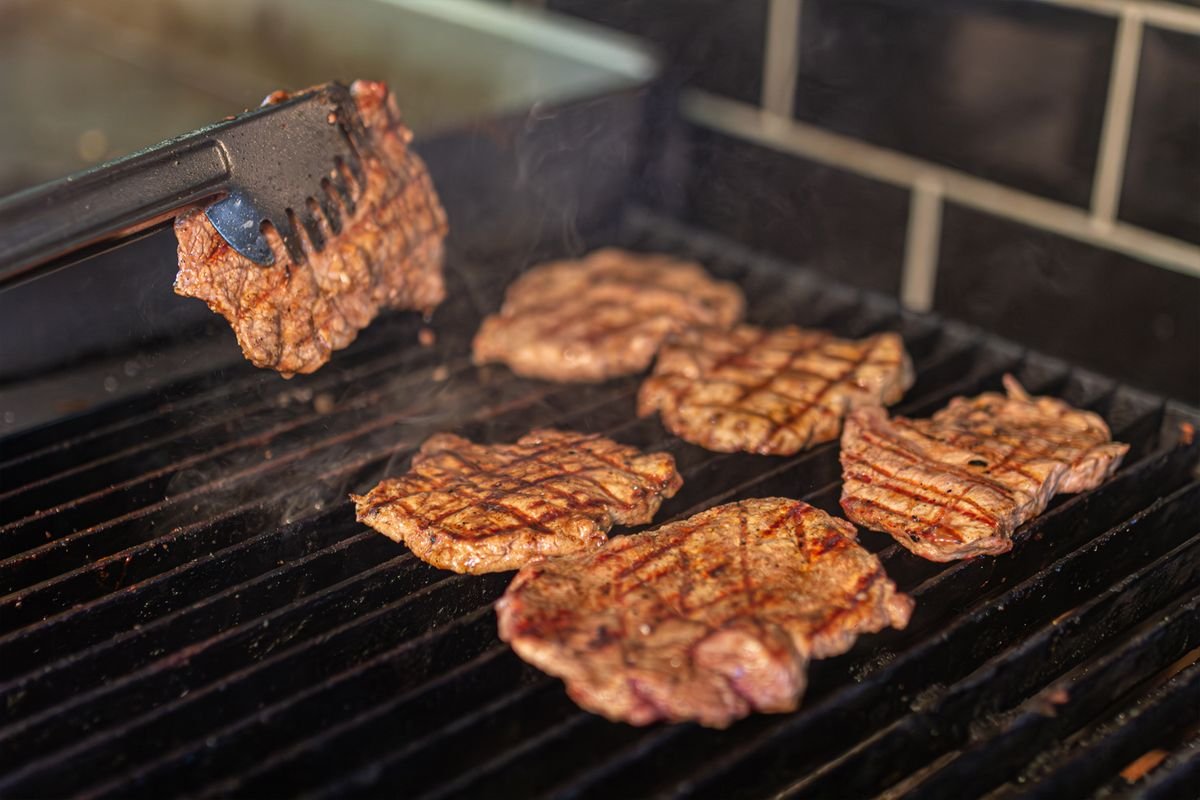
If you are searching for best picanha near me, you are probably looking for Brazil’s favourite steak: a cut with a thick cap of fat, grilled over fire, carved at the table and eaten with farofa and chimichurri. Picanha is the star of the Brazilian steakhouse, the rodizio, and it is also one of the most misunderstood cuts outside Brazil. This guide explains what the best picanha near me looks like, how rodizio works, how to tell a great steakhouse from an average one, and how to cook picanha at home.
Key Takeaways
- The best picanha near me is a Brazilian cut of beef known as the sirloin cap or rump cap, a triangular cut from the top of the rump with a thick layer of fat on one side.
- Picanha is the star of the rodizio, the Brazilian steakhouse where waiters bring skewers of grilled meat to the table and carve slices onto your plate until you say stop.
- The best picanha near me is grilled over charcoal, seasoned with coarse salt, cooked medium-rare and sliced against the grain, so the fat renders and the meat stays tender.
- The fat cap is essential: in Brazil the fat is left on, and it bastes the meat as it grills. Outside Brazil the fat is often trimmed off, which is why picanha can be hard to find in its proper form.
- Picanha is not the same as sirloin or ribeye. It is the cap that sits on top of the sirloin, and it is more tender than sirloin and less fatty than ribeye.
- The best picanha near me is served with farofa, toasted cassava flour, chimichurri, vinagrete and rice and beans, and it is usually eaten with a caipirinha or a cold beer.
- The best picanha near me is also easy to cook at home: buy a whole picanha with the fat cap on, season it with coarse salt, grill it over high heat and rest it before slicing.
What Is Picanha?
The best picanha near me starts with a cut that many butchers outside Brazil do not know by name. Picanha is the sirloin cap, also called the rump cap, a triangular cut from the top of the rump of the cow. It is a relatively small cut, usually weighing between one and one and a half kilos, and it has a thick layer of fat on one side, known as the fat cap. That fat is the key to the cut: as it grills, the fat renders and bastes the meat, keeping it juicy and giving it a rich, beefy flavour.
In Brazil, picanha is the most prized cut of beef, and it is the centrepiece of the churrasco, the Brazilian barbecue. The meat is seasoned with nothing more than coarse sea salt, skewered and grilled over charcoal, then carved into thin slices at the table. The fat cap is always left on in Brazil, and a butcher who trims it off has, in Brazilian eyes, ruined the cut. Outside Brazil, the cut is often broken down differently: in the UK and the US, the sirloin cap is usually divided between other cuts, and the fat is trimmed away, which is why picanha can be hard to find. If you ask a butcher for picanha, ask for the rump cap with the fat left on, and a good butcher will know what you mean.
Picanha is sometimes confused with sirloin and ribeye, so it is worth being clear. Picanha is the cap that sits on top of the sirloin, and it is more tender than a sirloin steak and leaner than a ribeye, with its fat concentrated in the cap rather than marbled through the meat. It is not the same cut as either of them, and it cooks differently: the fat cap protects the meat on the grill and keeps it moist, so picanha is more forgiving than a lean steak. The best picanha near me is a cut that has been treated properly, with the fat left on and the meat cooked medium-rare.
How Rodizio Works
When you look for the best picanha near me, you will usually end up at a rodizio, a Brazilian steakhouse, and it helps to know how it works before you go. Rodizio means rotation, and the meal works like this: you pay a fixed price, help yourself to a salad bar and side dishes, and then waiters, known as passadores, bring skewers of grilled meat to your table, one cut after another. Each passador offers you a slice, carved from the skewer onto your plate, and you can accept or decline each one. The meat keeps coming until you turn over the small card on your table from green to red, which tells the waiters to stop.
Picanha is the cut everyone waits for, and it usually comes around several times during the meal. The passador will show you the skewer, carve a few thin slices onto your plate, and move on to the next table. Other cuts follow: chicken, pork, lamb, sausages and other beef cuts, each grilled over charcoal and seasoned with salt. The side dishes are part of the meal too: farofa, toasted cassava flour with a nutty flavour, chimichurri, vinagrete, a salsa of tomato, onion and pepper, and rice and beans. The best picanha near me in a rodizio is the picanha that arrives hot from the grill, carved thinly, with the fat cap still on the skewer.
A rodizio is a long, generous meal, and it is best approached slowly. Take a small amount of salad and sides first, accept a few slices of picanha when it comes around, and pace yourself, because the meat keeps coming and the best cuts often arrive later in the meal. The best picanha near me is worth waiting for, so do not fill up on the first cuts that arrive.
What Makes the Best Picanha Near Me?
The best picanha near me is judged by the fat cap first. A proper picanha has a thick, even layer of fat on one side, and that fat should be left on while the meat grills, so it renders and bastes the meat. If the fat has been trimmed off before cooking, the meat will be drier and less flavourful, and it is not really picanha as Brazilians understand it. When the meat is served, the fat should be golden and crisp at the edges, and you can eat it or leave it, but it should be there.
The cooking is the second test. Picanha should be grilled over charcoal at a high heat, so the outside sears and the fat crisps, while the inside stays pink and juicy. Medium-rare is the usual choice, and the meat should be rested for a few minutes before it is sliced, so the juices settle. It should be sliced thinly and against the grain, which keeps it tender, and each slice should have a little fat on it. If the meat is overcooked, grey all the way through, or sliced thickly with the grain, it will be tough, however good the cut was.
The seasoning is the third test, and in Brazil it is almost nothing: coarse sea salt, applied before grilling, is the traditional seasoning for picanha. The salt draws out a little moisture, helps the crust form and seasons the meat without masking its flavour. Chimichurri is served on the side, not cooked onto the meat, so you can add as much as you like. If a steakhouse covers its picanha in a heavy marinade or a sweet sauce, it is hiding the meat rather than showing it off. The best picanha near me tastes of beef, smoke and salt, with chimichurri as a fresh, sharp partner.
How to Find the Best Picanha Near Me
Finding the best picanha near me starts with knowing where to look. Brazilian steakhouses and rodizios are the obvious choice, and the best ones are the ones that grill over charcoal and serve a full rodizio, not just a picanha steak on a general menu. A restaurant with a visible grill, where you can see the meat cooking over fire, is a good sign. Brazilian restaurants that are not rodizios also serve picanha, often as a single steak with rice, beans and farofa, and a good butcher can sell you a whole picanha to cook at home.
When you search for best picanha near me, look at the reviews before you go. The words to look for are proper fat cap, grilled over charcoal, medium-rare and carved at the table. If many reviews mention that the meat was overcooked, dry or had no fat cap, believe them. Photos help too: a good picanha shows slices of pink, juicy beef with a golden layer of fat on one edge, served with farofa and chimichurri. If the photos show grey, thin slices with no fat, choose somewhere else.
Check the menu as well. A place that offers picanha as part of a rodizio, or that lists it as a whole cut to share, is usually a place that takes it seriously. A menu that mentions the meat is grilled on charcoal, or that offers farofa and vinagrete as sides, is another good sign. The best picanha near me usually comes from a Brazilian steakhouse that grills over fire every day, not from a place that added one Brazilian steak to a general menu.
How to Cook Picanha at Home
The best picanha near me is wonderful, but picanha is also one of the easiest steaks to cook at home, because it needs almost nothing. Buy a whole picanha with the fat cap on, from a butcher who knows the cut, and ask for the rump cap with the fat left on if the butcher does not know the name. Score the fat cap lightly in a crosshatch pattern, taking care not to cut into the meat, and season the whole cut generously with coarse sea salt. Leave it at room temperature for half an hour before cooking.
Grill it over high heat, fat-side down first, so the fat renders and crisps, then turn it and cook the other side. A whole picanha takes about twenty to twenty-five minutes over a hot barbecue for medium-rare, turning it every few minutes. If you are cooking it as steaks, cut the picanha into thick steaks across the grain, keeping the fat cap on each one, and grill each steak for three to four minutes per side. Rest the meat for at least ten minutes before slicing, so the juices settle, and slice it thinly against the grain, with a little fat on each slice.
Serve it with chimichurri, farofa and rice and beans, and a simple tomato and onion salad. The best picanha near me is a guide for what to aim for, but a home version cooked over charcoal with coarse salt and rested properly is already very good.
Common Mistakes to Avoid
The most common mistake when searching for best picanha near me is choosing a place that trims the fat cap off. Without the fat, picanha is a lean, ordinary cut, and it will be dry and disappointing. If the menu photos show no fat on the meat, or if the restaurant cannot tell you whether the fat is left on, choose somewhere else.
The second mistake is overcooking it. Picanha should be medium-rare, pink in the middle, and it goes tough quickly if it is cooked well done. If you like your steak well done, picanha is not the cut for you, and you will enjoy it more if you try it medium-rare. The third mistake is slicing it with the grain. Picanha must be sliced against the grain, in thin slices, or it will be chewy, however well it was cooked.
The fourth mistake at home is not resting the meat. Picanha needs at least ten minutes of rest after grilling, so the juices redistribute through the meat. If you slice it straight from the grill, the juices will run out onto the board and the meat will be dry. The fifth mistake is overseasoning it. Picanha needs only coarse salt, and a heavy marinade or a sweet sauce will hide the flavour of the beef.
Best Picanha Near Me: Quick Facts
| Fact | Detail |
|---|---|
| What it is | The sirloin cap (rump cap), a triangular cut from the top of the rump with a thick fat cap |
| Other names | Sirloin cap, rump cap, culotte |
| Cooking method | Grilled over charcoal, seasoned with coarse sea salt, cooked medium-rare |
| Fat cap | Essential — left on while grilling, renders and bastes the meat |
| Served in | Rodizio (Brazilian steakhouse), where skewers are carved at the table |
| Sides | Farofa, chimichurri, vinagrete, rice and beans |
| Not the same as | Sirloin or ribeye — picanha is the cap on top of the sirloin |
| Best cooked | Medium-rare, rested for ten minutes, sliced thinly against the grain |
| Where to find it | Brazilian steakhouses, Brazilian restaurants, good butchers |
| Home version | Whole picanha, coarse salt, hot grill, rest before slicing |
Conclusion
The best picanha near me is a steak that does a lot with very little: a good cut, a thick fat cap, coarse salt and fire. It is the star of the rodizio, the Brazilian steakhouse, and it is loved across Brazil and beyond, but the rule has never changed: keep the fat on, grill it over charcoal, cook it medium-rare and slice it against the grain. When you look for it, choose a Brazilian steakhouse that grills over fire, check that the fat cap is there, and order it medium-rare. Do that, and picanha is one of the best steaks you can eat.
Frequently Asked Questions
What cut of beef is picanha?
Picanha is the sirloin cap, also called the rump cap, a triangular cut from the top of the rump of the cow. It has a thick layer of fat on one side, known as the fat cap, which renders as the meat grills and keeps it juicy.
Is picanha the same as sirloin?
No. Picanha is the cap that sits on top of the sirloin, and it is a different cut. It is more tender than a sirloin steak, and its fat is concentrated in the cap rather than marbled through the meat. It is also not the same as ribeye, which is fattier throughout.
How do you cook picanha steak?
Season a whole picanha, or thick steaks cut across the grain with the fat cap on, with coarse sea salt. Grill over high heat, fat-side down first, until medium-rare, then rest the meat for at least ten minutes before slicing thinly against the grain.
Is picanha tender?
Yes, when it is cooked properly. Picanha is a tender cut if it is cooked medium-rare, rested before slicing and sliced thinly against the grain. If it is overcooked or sliced with the grain, it can be tough.
What is rodizio?
Rodizio is a Brazilian steakhouse style of service. You pay a fixed price, help yourself to a salad bar and sides, and waiters bring skewers of grilled meat to your table and carve slices onto your plate. The meat keeps coming until you turn your table card from green to red.
What do you serve with picanha?
Picanha is traditionally served with farofa, toasted cassava flour, chimichurri, vinagrete, a tomato and onion salsa, and rice and beans. A caipirinha or a cold beer is the usual drink.
Where can I buy picanha in the UK?
The best picanha near me in the UK is sold in Brazilian steakhouses and Brazilian restaurants, and a good butcher can order or cut a whole picanha for you. Ask for the rump cap with the fat left on if the butcher does not know the name picanha.
How much fat should be left on picanha?
All of it. The fat cap should be left on while the meat grills, because it renders and bastes the meat. You can trim the fat on your plate if you prefer not to eat it, but it should be there during cooking.
For more food guides, restaurant reviews and recipes, visit Smart Visions.
