
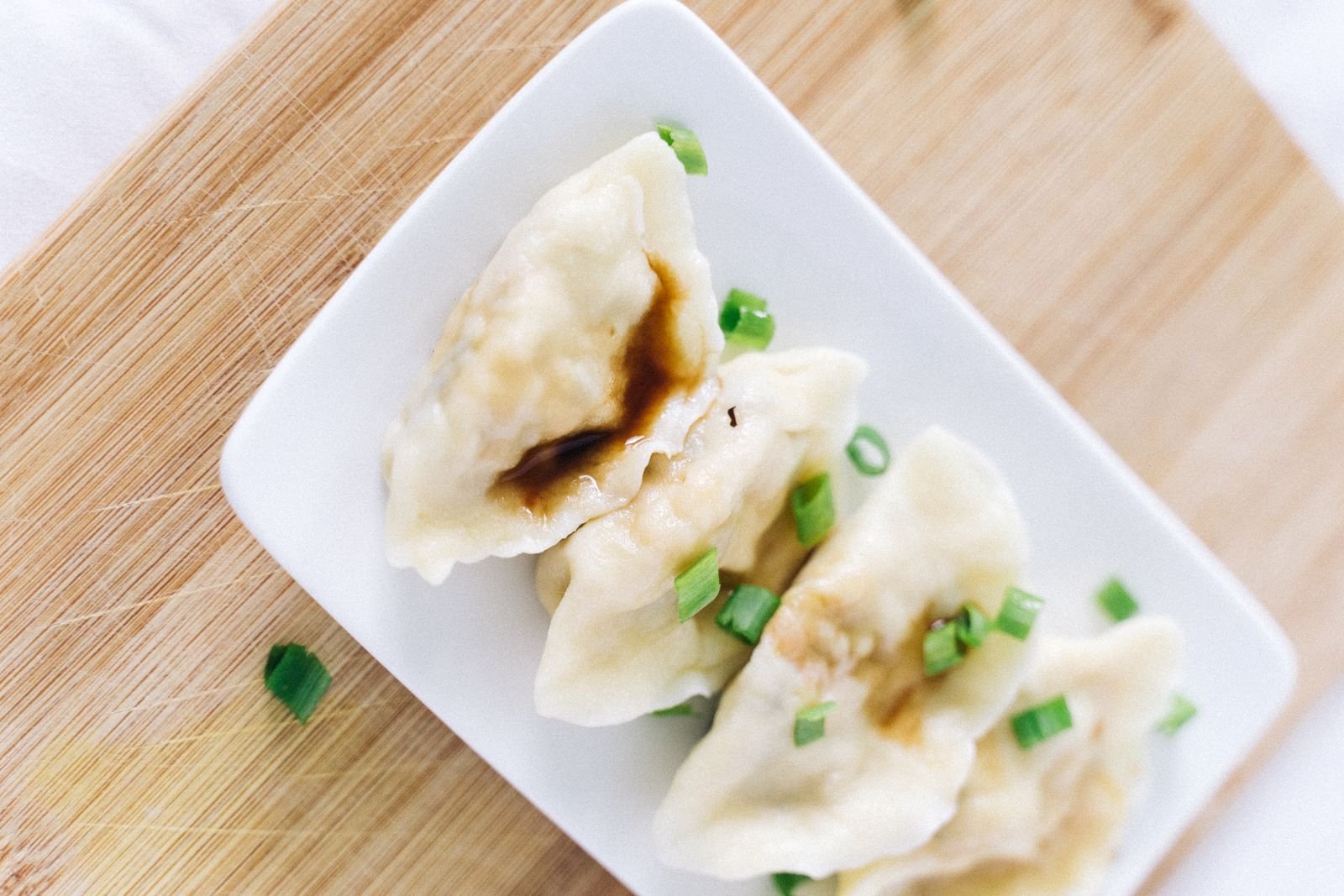
If you are searching for good Chinese food near me, you are looking for more than the closest takeaway. Good Chinese food means fresh ingredients, proper high-heat cooking, and flavours that are balanced rather than drowned in sauce. The best places cook with wok hei, the smoky “breath of the wok”, serve regional dishes done properly, and make their dumplings by hand. This guide explains what makes Chinese food good, how to spot a great restaurant before you order, the dishes worth trying, and how to choose between takeaway and dining in.
What Makes Chinese Food Good?
Good Chinese food starts with freshness. Fresh vegetables stay crisp and bright, seafood tastes clean, and meat is tender rather than chewy. A good kitchen buys fresh produce daily and cooks to order. If the vegetables in your stir-fry are limp and grey, or the meat tastes like it was cooked hours ago, the food is not good, however famous the restaurant is.
The second thing is balance. Chinese cooking is built on balancing flavours: salty, sweet, sour, spicy and umami. A good dish does not hit you with one flavour only. Sweet and sour should taste of both, not just sugar. A spicy dish should have heat and depth, not just chilli burn. When you find good Chinese food near me, the first thing you notice is that every dish tastes complete, not one-note.
The third thing is technique. Chinese food is cooked fast and hot, and the skill of the chef matters more than the recipe. That is why two restaurants can serve the same dish and produce completely different results. Good Chinese food near me always comes from a kitchen that knows its techniques, not one that just follows a menu.
Wok Hei: The Smoky Secret
Wok hei, literally the “breath of the wok”, is the smoky, slightly charred flavour that great stir-fries have. It comes from cooking in a well-seasoned wok over extremely high heat, often from a powerful jet burner. The intense heat sears the food in seconds, creates caramelisation on the surface, and gives the dish a smoky depth that no ordinary pan can copy.
You can taste wok hei in a good chow mein or fried rice: the noodles have slight char marks, the dish smells faintly smoky, and the flavours are deep rather than flat. A stir-fry cooked in a lukewarm pan tastes steamed and greasy by comparison. When you are looking for good Chinese food near me, wok hei is the single best sign that the kitchen takes its cooking seriously. If you can hear the roar of the wok burners from the dining room, that is a very good sign.
The Main Regional Cuisines
China is a huge country, and “Chinese food” is not one cuisine. It is many regional cuisines, each with its own flavours and techniques. Knowing the main ones helps you find good Chinese food near me that suits your taste.
Cantonese (Guangdong)
Cantonese food comes from southern China and is the style most people outside China know best. It focuses on fresh ingredients and delicate flavours, with light seasoning that lets the natural taste of the food shine. Steaming, stir-frying and roasting are the main techniques. Cantonese signatures include dim sum, roast duck, steamed fish with ginger and spring onions, and char siu (barbecue pork). If you like subtle, fresh flavours and beautiful presentation, Cantonese is the style to look for when you want good Chinese food near me.
Sichuan
Sichuan food comes from south-west China and is famous for its bold, spicy flavours. Its defining ingredient is the Sichuan peppercorn, which creates mala, a tingling numbness followed by fiery heat. Classic dishes include mapo tofu, dan dan noodles, kung pao chicken and hot pot. Sichuan food is rich and oily, and the best dishes balance the numbing and the spicy so you can still taste everything else. If you love spice with depth, this is the cuisine to look for when you search for good Chinese food near me.
Hunan
Hunan food is also spicy, but different from Sichuan. It uses fresh chilli peppers and pickled vegetables to create a spicy and sour flavour, and it is usually less oily than Sichuan food. Hunan dishes are more acidic and direct in their heat. If a menu lists Hunan dishes, it is a good sign that the restaurant cooks regionally rather than serving one generic menu, and that regional focus is a big part of what makes good Chinese food near me stand out.
Other Regions Worth Knowing
Northern Chinese food features wheat-based dishes such as hand-pulled noodles, dumplings (jiaozi) and steamed buns, while Shanghai is known for soup dumplings (xiaolongbao). A restaurant that names its regions, for example “Chengdu style” or “Cantonese clay pot”, is usually more serious about its food than one that does not.
How to Spot Good Chinese Food Near Me
Finding good Chinese food near me takes a little detective work, but the signs are easy to learn.
Look at the Customers
When you are hunting for good Chinese food near me, one of the most reliable signs is a dining room full of Chinese customers, especially families. A restaurant that local Chinese people choose for their own meals is usually cooking properly. A separate Chinese-language menu, or a menu with Chinese characters alongside English, is another strong sign: it means the kitchen serves people who know the cuisine, not just tourists.
Look at the Menu
Great Chinese restaurants usually have shorter menus, not longer ones. A place offering 150 dishes cannot possibly cook all of them well. The best spots focus on regional specialities, with perhaps 30 to 50 items, and that focus is what separates good Chinese food near me from a generic takeaway menu. Look for authenticity markers: mapo tofu with Sichuan peppercorns mentioned, hand-pulled noodles, soup dumplings (xiao long bao), clay pot rice, and regional names.
Look for Handmade Food
Handmade dumplings are one of the best signs of a good Chinese restaurant. Wrappers should be thin, with neat pleats that show skilled hands. Hand-pulled noodles are another: they are made by stretching dough by hand, and no machine can copy the texture. If the restaurant makes its own dumplings and noodles, the kitchen cares about its craft, and handmade food is one of the clearest signs of good Chinese food near me.
Look at the Tea
Proper Chinese tea is a small detail that says a lot. A restaurant that serves real tea, not just a tea bag in hot water, is paying attention. Dim sum is traditionally served with tea, and a good dim sum restaurant will offer a proper selection.
Read Reviews the Right Way
When you read reviews, look for specific food words, not just star ratings. Reviews that mention “hand-pulled noodles”, “numbing Sichuan peppercorns” or “wok hei” are written by people who know what they are eating. Filter reviews by “most recent” rather than “most helpful”, because restaurants change chefs and standards. Be careful with star ratings alone: a 4.2-star place with thousands of suspicious reviews can outrank a genuine gem with 4.8 stars and only 80 real ratings. Photos help too: look for char marks on noodles, glossy but not greasy sauces and neatly pleated dumplings.
Red Flags to Avoid
A menu with no regional dishes at all, only the same sweet and sticky takeaway classics, suggests the kitchen is not cooking authentically. Food photos that show only packaging and no close-ups of the actual dishes are another warning. And if every review sounds the same, or the accounts have no other activity, the reviews may not be genuine. Finally, trust your nose: a good Chinese restaurant smells of ginger, garlic, soy and hot oil, not of stale grease.
Dishes Worth Trying
If you are new to real Chinese food, these dishes are the best place to start when you find good Chinese food near me.
Dim Sum
Dim sum is a Cantonese tradition: small bite-sized dishes served with tea, usually at lunch. Har gow (prawn dumplings), siu mai (pork dumplings), char siu bao (barbecue pork buns) and cheung fun (rice noodle rolls) are the classics. Dim sum is a great way to sample many dishes at once, and the quality of the wrappers tells you everything about the kitchen.
Peking Duck
Peking duck is Beijing’s most famous dish. The duck is air-dried and roasted until the skin is crackling crisp and amber-coloured, while the meat stays succulent. It is served with thin pancakes, spring onions, cucumber and sweet bean sauce. A good Peking duck has skin that is crispy yet flexible, with very little fat beneath it.
Mapo Tofu
Mapo tofu is the classic Sichuan dish: soft tofu in a spicy, glossy sauce with minced pork, fermented black beans and Sichuan peppercorns. A great mapo tofu balances seven flavours: spicy, numbing, hot, fresh, tender, aromatic and crisp. The tofu should stay intact but quiveringly soft, and the sauce should be glossy red with visible peppercorns. If you can handle the heat, this dish shows whether a Sichuan kitchen is the real thing.
Kung Pao Chicken
Kung pao chicken is a Sichuan dish of diced chicken, peanuts, dried chillies and Sichuan peppercorns. A good version is spicy and numbing, with a slight sweetness and a vinegary edge, and the chicken stays juicy. It is a good test of a restaurant: if the kung pao is balanced and fresh, the kitchen knows what it is doing.
Chow Mein and Fried Rice
Chow mein (stir-fried noodles) and fried rice are simple dishes, and that is exactly why they are such good tests. A good chow mein has noodles with slight char from wok hei, crisp vegetables and a sauce that coats rather than drowns. Good fried rice has separate, distinct grains, a smoky flavour, and egg and vegetables evenly mixed through. If a restaurant gets these basics right, its more complex dishes will usually be good too.
Hot Pot
Hot pot is a communal meal: a simmering pot of broth at the centre of the table, into which diners cook thinly sliced meat, seafood, vegetables and noodles themselves. Sichuan hot pot uses a fiery mala broth with visible red oil and whole spices. It is also one of the most social ways to enjoy good Chinese food near me. A good hot pot restaurant offers fresh ingredients, not pre-packaged ones, and a well-stocked dipping sauce station.
Soup Dumplings (Xiaolongbao)
Xiaolongbao are Shanghai soup dumplings: delicate parcels of pork and rich broth, steamed in bamboo baskets. You bite the top, drink the soup, and then eat the dumpling. The wrapper should be thin but strong enough to hold the soup.
Takeaway vs Dine-In
Good Chinese food near me can come as a takeaway or in a restaurant, but the two are different experiences, and some dishes travel better than others.
Takeaway is best for stir-fries, noodles and rice dishes that hold their heat and texture in a box. Dumplings, crispy dishes and anything with a delicate sauce are better eaten in the restaurant, because they go soft or soggy in transit. Peking duck and dim sum are almost always better in the restaurant, where they arrive at the table fresh from the kitchen.
When you order takeaway, eat it as soon as it arrives and keep the lid off crispy dishes so steam does not soften them. For the best experience, dine in when you can: the food arrives at its peak, the tea is proper, and you can try dishes that do not travel well.
Good Chinese Food for Different Diets
Chinese food has good options for most diets, if you know what to order. For vegetarians, mapo tofu can be made without pork, Buddha’s delight (lo han jai) is a classic mixed vegetable dish, and many restaurants offer vegetable dumplings and stir-fried greens. For vegans, ask for dishes without egg or oyster sauce. For gluten-free diners, steamed rice dishes, rice noodles and steamed fish are usually safe, but always ask, because soy sauce contains wheat. For halal diners, some Chinese restaurants are halal-certified; check for a certificate on display. A good restaurant will answer dietary questions happily, and that willingness is itself a sign of quality.
What to Order on Your First Visit
If you have found a promising place, order a plate of dumplings to test the handmade skill, one stir-fry such as kung pao chicken to test wok hei, one signature dish such as mapo tofu or Peking duck, and a bowl of steamed rice, with a pot of tea. That one meal will tell you more about the restaurant than a dozen reviews.
Common Mistakes to Avoid
The most common mistake is judging a restaurant by its star rating alone, without reading what reviewers actually say. The second is ordering only the sweet, familiar takeaway dishes and never trying the regional specialities, where the real quality shows. The third is assuming all Chinese food is spicy: Cantonese food is famously mild. The fourth is skipping the tea, and the fifth is eating crispy dishes too slowly: dumplings, spring rolls and Peking duck skin are at their best the moment they arrive.
Frequently Asked Questions
What is good Chinese food near me?
Good Chinese food near me means a restaurant that cooks with fresh ingredients, proper high-heat technique and balanced flavours. Look for Chinese customers eating there, a focused menu with regional dishes, handmade dumplings, and wok hei in the stir-fries. The best places cook to order and serve food that tastes fresh, not reheated.
How can I tell if a Chinese restaurant is authentic?
Look for a Chinese-language menu alongside the English one, regional dishes such as mapo tofu or xiaolongbao, Chinese-speaking customers, handmade dumplings or hand-pulled noodles, and a short focused menu. A roaring wok burner sound from the kitchen is another good sign that you have found good Chinese food near me.
What is wok hei?
Wok hei means the “breath of the wok”. It is the smoky, slightly charred flavour that comes from cooking in a well-seasoned wok over very high heat. It is one of the hallmarks of good Chinese food near me, and it cannot be faked with an ordinary pan.
What should I order at a Chinese restaurant for the first time?
Start with dumplings, one stir-fry such as kung pao chicken, and a signature regional dish such as mapo tofu or Peking duck, with steamed rice and a pot of tea. That combination shows you the kitchen’s skill across the main techniques.
Is all Chinese food spicy?
No. Only some regional cuisines, mainly Sichuan and Hunan, are known for heavy chilli. Cantonese food is famously mild and focuses on fresh, natural flavours. If you do not like spice, Cantonese dishes, dim sum and steamed fish are good choices.
Is Chinese takeaway as good as eating in the restaurant?
Some dishes travel well, such as stir-fries, noodles and fried rice. Dumplings, crispy dishes, Peking duck and dim sum are much better eaten in the restaurant, because they go soft in a takeaway box. Eat takeaway as soon as it arrives for the best result.
What is the difference between Cantonese and Sichuan food?
Cantonese food is delicate and fresh, with light seasoning and techniques such as steaming and roasting. Sichuan food is bold and spicy, built on Sichuan peppercorns and chilli oil, with the numbing and spicy mala flavour. Both are excellent, and the best choice depends on whether you want subtle or fiery flavours, and either way you will know you have found good Chinese food near me.
Can I eat Chinese food if I am vegetarian or gluten-free?
Yes. Vegetarian options include mapo tofu without pork, Buddha’s delight, vegetable dumplings and stir-fried greens. For gluten-free dining, steamed rice dishes, rice noodles and steamed fish are usually safe, but always ask about soy sauce, which contains wheat, and check with the restaurant before ordering.
Good Chinese food near me is not hard to find once you know what to look for: fresh ingredients, wok hei, a focused regional menu, handmade dumplings and a dining room full of people who know the cuisine. Start with the signs in this guide, order the dishes that test the kitchen, and you will find your own favourite spot. For more food guides, restaurant ideas and recipes, visit Smart Visions.
